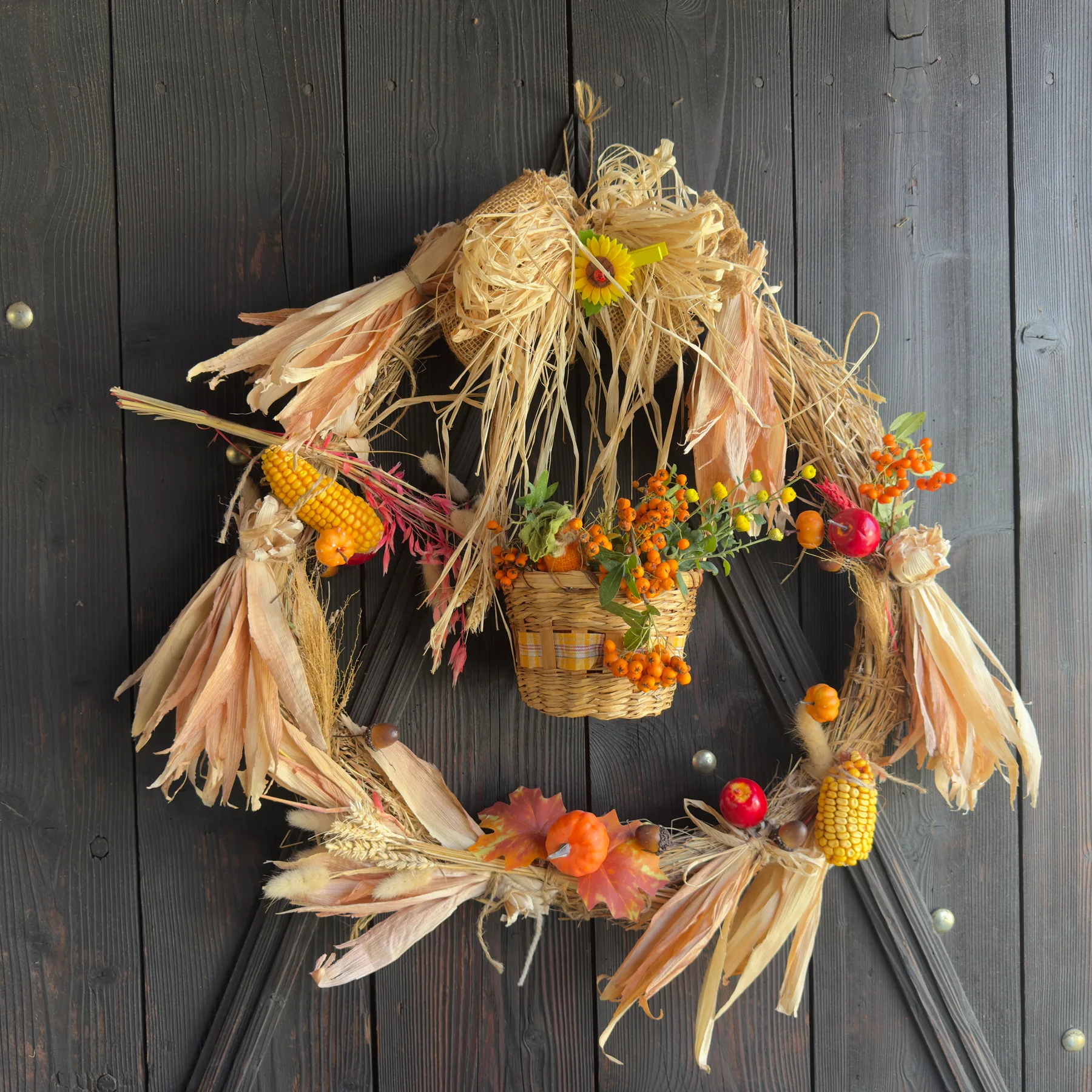
At the end of October, a question once concerned the whole household: are we ready for winter? Has the harvest been gathered, the firewood stacked, the house completed? Dimitrovden was the landmark around which these concerns converged. On 26 October, the Church’s feast of Saint Demetrius met the farming calendar, family gatherings and stories of the approaching cold.
But why does this particular saint bring winter? Where does the legend of his brother George come from? And why is an autumn feast associated with weddings, builders and the first guest to cross the threshold?
What is commemorated on 26 October?
The Orthodox Church honours the memory of the Holy Great Martyr Demetrius of Thessaloniki. The feast commemorates his faith and martyrdom rather than his birth.
According to his life in Church tradition, Demetrius was born in Thessaloniki in the third century. His parents were Christians who kept their faith secret. After his father’s death, he received a position of authority. Instead of persecuting Christians, he openly professed their faith. Imprisonment followed.
The young Nestor now enters the story. The saint’s life relates that a powerful fighter named Lyaeus was killing his opponents, including Christians, in Thessaloniki’s arena. Nestor decided to challenge him and sought the blessing of the imprisoned Demetrius. After Nestor’s victory, the ruler ordered both men to be killed.
Demetrius was pierced with spears while praying in his prison cell.
A church was later built over his grave. Church tradition associates his relics with miraculous healing and the flowing of fragrant myrrh, hence his title, the Myrrh-streamer. In Christian devotion, he remains the protector of Thessaloniki and an example of fidelity to one’s beliefs in the face of death.
Why folk tradition entrusts winter to him
In Bulgarian folk belief, the year has two great halves. One belongs to Saint George, the other to Saint Demetrius. Saint George’s Day opens the season of grazing and intensive work in the fields. Dimitrovden closes that part of the year and turns life towards the home.
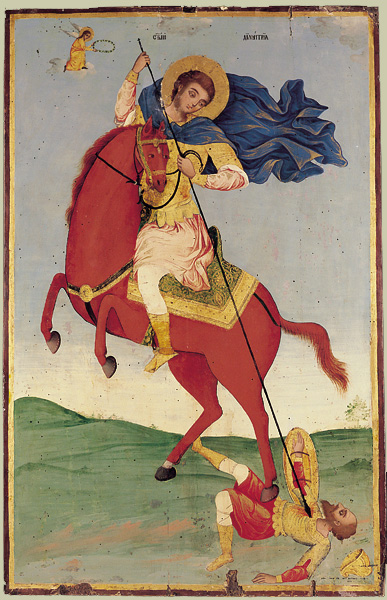
This is the setting for the familiar image of the saint riding a red horse. He shakes his long white beard, and the first snowflakes fall from it.
This folk image is distinct from the Church’s account of his life. It turns a change in the weather into an easily remembered story. Winter has a face, a horse and a day on which people begin to expect it. The date does not necessarily promise snow. It reminds the household that preparations for the cold can no longer be postponed.
The two brothers and the talking fish
One legend begins far from Thessaloniki, in the home of a poor fisherman and his wife. The couple had no children and had long prayed for a child.
One day the fisherman caught a small fish. It spoke and asked him to let it go. He returned it to the water. The next day, the same thing happened.
On their third encounter, the fish gave him an unusual instruction. This time he was to take it home, share it with his wife and bury its bones beneath their mare’s manger.
In time, the wife gave birth to twins and the mare to two foals. The boys were named Dimitar and Georgi.
When they grew up, the brothers set out on their horses. At a crossroads they parted. Georgi left a sign by which Dimitar would know if misfortune befell him: blood dripping from the eaves.
The sign appeared. Dimitar went in search of his brother and learned that a lamya, a dragon-like monster, had swallowed him. He overcame the creature and recovered Georgi’s soul. The two brothers then flew up to heaven.
This is a folk tale of brotherly loyalty, not an episode from the saints’ lives. Even death cannot finally separate the twins.
The day people came home
Another name for the feast is Razpus, referring to release from seasonal service. It preserves a precise memory of how village life was once organised.
On Saint George’s Day, householders hired shepherds, farmhands and other workers. Dimitrovden marked the end of the agreed period. Wages were paid and the workers released.
For a worker, this meant a completed season and the chance to return to the family. For the household, it meant reunion after months in which work had kept loved ones apart. Migrant and hired workers tried to be home for the feast.
This helps explain Saint Demetrius’s strong presence in family customs. People saw him as a protector through the different stages and trials of life. In one song he builds three churches associated with baptism, marriage and forgiveness. In this image, the saint is present both at the end of the agricultural year and at the decisive moments of human life.
How the feast brought the village together
In church life, Dimitrovden is marked by a festive service. It has particular significance in settlements whose churches bear the saint’s name. There it is also the patronal feast, an occasion for common prayer and for gathering the local community.
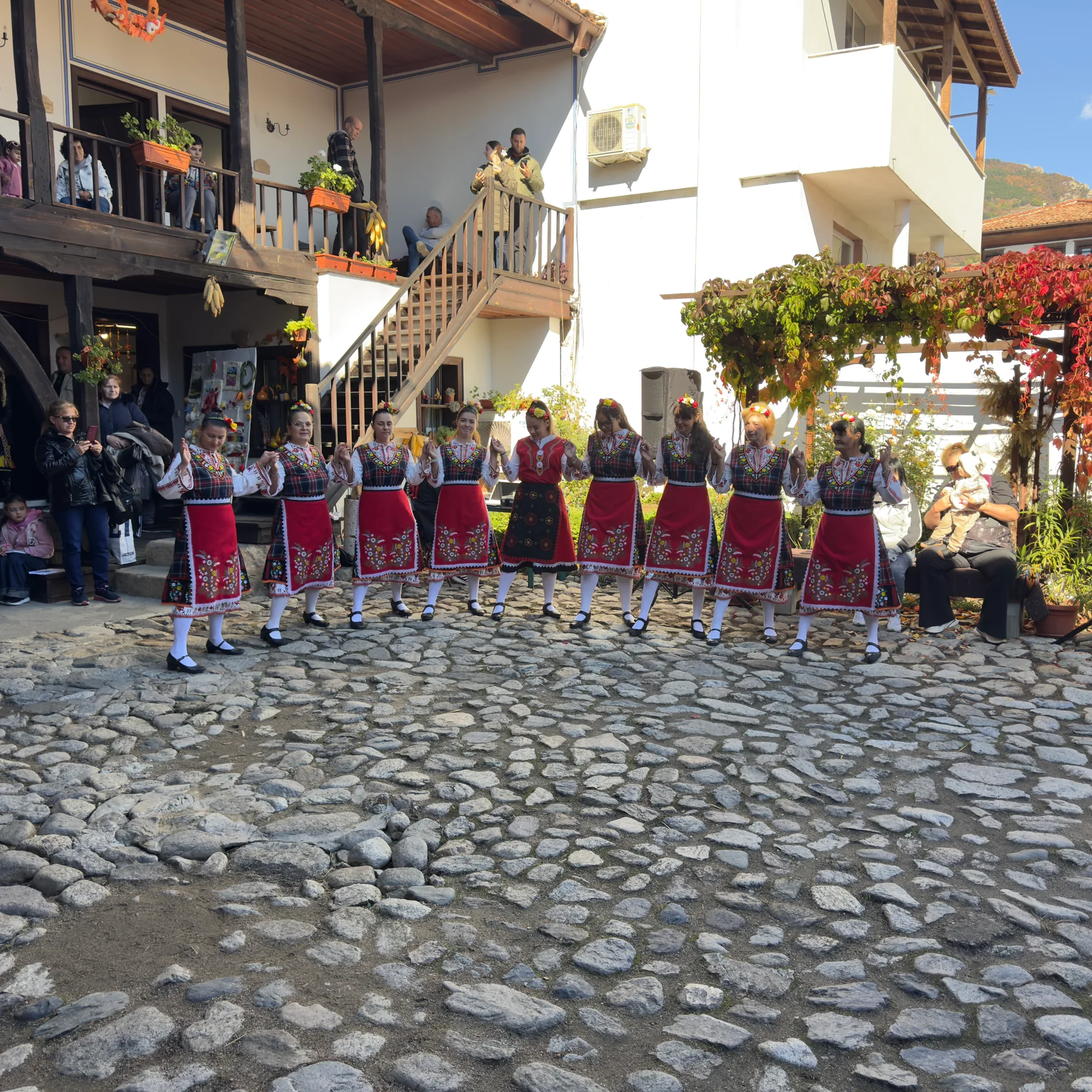
Folk tradition added family and village celebrations. A kurban, a ritual meal, was prepared with wishes for health and fertility. Songs, communal horo dances and visits followed.
The season of engagements and weddings also began. After the strenuous work of the year, there was more opportunity to bring relatives together and prepare a large family celebration.
Especially intriguing was the sglyadno horo, a dance associated with courtship. Unmarried women danced before young men and their parents. Its name hints at its role: people looked at one another, formed attachments and considered possible future family ties. In a world where families played a decisive part in choosing a spouse, the dance was an important social meeting.
Dimitrovden therefore carried the promise of something intensely personal. For some, work for another householder was ending. For others, the creation of a home of their own lay ahead.
What was served at the festive table?
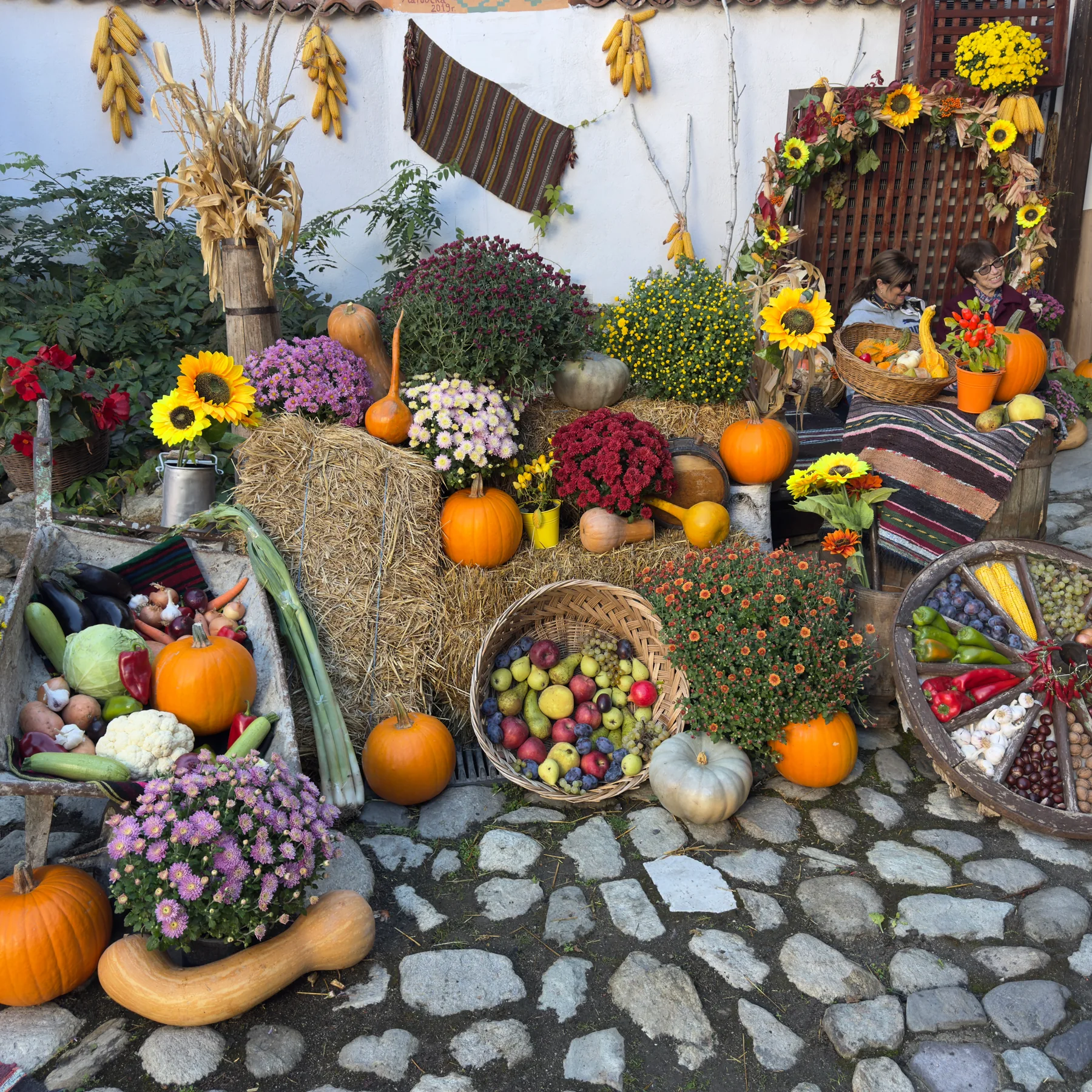
The food followed the season. Round loaves, apples, pumpkins and maize recalled the produce gathered from gardens and fields.
Recorded traditional dishes include mutton kurban or a slow-cooked casserole, chicken stew, baked apples, apple bread, pestil, a dried fruit paste, and rachel, a pumpkin preserve. In some places, a distinction was made when serving poultry: a cockerel for a man celebrating his name day, and a hen for a woman.
There was no compulsory menu shared by every Bulgarian village. The meal depended on local custom and what the family could afford.
Dimitar, Dimitrina, Dimo, Dimka, Mitko and people with related names celebrate their name day. According to the old custom, guests could arrive without a special invitation.
Some descriptions record a lovely gift: white flowers tied with red thread. White expressed a wish for a gentle winter, while red carried a wish for health. A small gesture brought together a greeting to the person and hope for the season ahead.
The first guest and the six days after the feast
In some places, people watched carefully to see who would be first to cross the threshold. The custom is known as polazvane and is also associated with other feast days.
If the first guest was a good and prosperous person, this was regarded as a favourable sign for the household. A boy’s visit was associated with the expectation that more male animals would be born. Today these beliefs can be read as evidence of how closely family wellbeing depended on the farm and its livestock.
Attention also turned to the weather. In parts of the Rhodope Mountains, the six days after the feast were called the “counted days”. Each was associated with one of the following six months. People observed falling leaves and animal behaviour, looking for warnings of a harsh winter.
The Ethnographic Museum in Plovdiv recounts another legend. In it, Dimitar was a mighty hero who nevertheless caused mischief. After the saints complained, God imprisoned him at the bottom of the sea for three years. Saints Petka and Nedelya asked for his release, and the intercession of the Mother of God eventually secured it. Dimitar then began to do good deeds.
The tale shows how freely the folk imagination reworks the saints. Weather divination, meanwhile, belongs to folklore rather than providing a reliable forecast for winter.
Why builders celebrate too
Dimitrovden is associated with the end of the building season. People aimed to complete new houses around the feast, before cold weather made work more difficult.
Householders gave gifts to the craftsmen. The master builder pronounced a traditional blessing, wishing health and prosperity to the future occupants. Completion of the house was marked by a shared meal and a blessing.
This explains the feast’s association with the building trades. The home was ready to face winter, and the work of those who had built it received recognition. Today, 26 October is the professional celebration of builders, architects, designers and construction engineers in Bulgaria.
Dimitrovden around Karlovo
Within Karlovo Municipality, the feast has a specific connection with Voynyagovo. The Church of the Holy Great Martyr Demetrius of Thessaloniki was built and consecrated in 1852 and 1853.
The school where Vasil Levski taught from 1864 to 1866 survives in the churchyard. A visit therefore brings together the saint’s church and a school connected with an important period in the life of the Apostle of Bulgarian freedom.
Neighbouring Dabene preserves a different, agricultural connection with the date. Around Dimitrovden, people arrive from nearby and more distant settlements to buy the village’s famous cabbage for their winter stores. The local variety, Dabene No. 5, was approved in 1962 and continues to be grown there.
One story leads to a churchyard, the other to a garden and the preparation of winter food. Both help explain why Dimitrovden has remained so familiar.
To discover more, it may be enough to ask the oldest person at the family table: what did you cook for the feast, who came to visit, was there a celebration in your village? The answer may add something to the familiar legends that no general article can preserve: the story of our own home.